Showing posts with label studio 2. Show all posts

Monday, 6 February 2017

Hyperrealities

Explore and Research:
  • Hyperrealities
 'a condition in which what is real and what is fiction are seamlessly blended together so that there is no clear distinction between where one ends and the other begins'

Jean Baudrillard's theory
examples; Black Mirror, Misfits?, Disneyland
  • The Meme
'an idea, behaviour or style that spreads from person to person within a culture'

examples; internet memes -photos with captions or videos
Kilroy was here -American popular culture expression (graffiti WW2)
  • Millenials 
people born from 1980 - 2000
worldwide we are more similar to each other than previous generations because of western culture and social media impact
examples;
generation maybe'we want to be there and not miss anything anywhere'
generation serious grown up in a time where we are familiar with terrorism, e.g. 9/11 
generation snowflakemore prone to taking offence and less resilient than previous generations, too emotionally vulnerable to cope with views that challenge their own
education? bad parenting?

mental health is as important as physical health
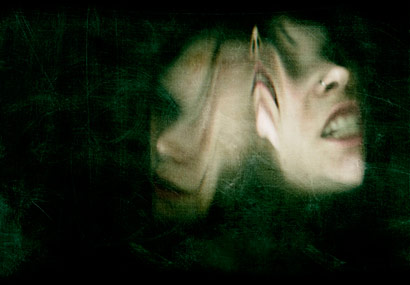
-Bipolar Disorder; people who suffer with this disorder choose the "face" that others will see enabling them to hide their emotions and cover up.
-Split; Dissociative Identity Disorder/Multiple Personality Disorder


Mood board 1; Hyperrealities 
- things aren't always as they seem e.g. Black Mirror & similar programmes, Disneyland, dreams 

Mood board 2; Mental Health
-split personality disorders, hidden emotions, e.g. Split (film), 


Sunday, 8 January 2017

Think! Artist Research

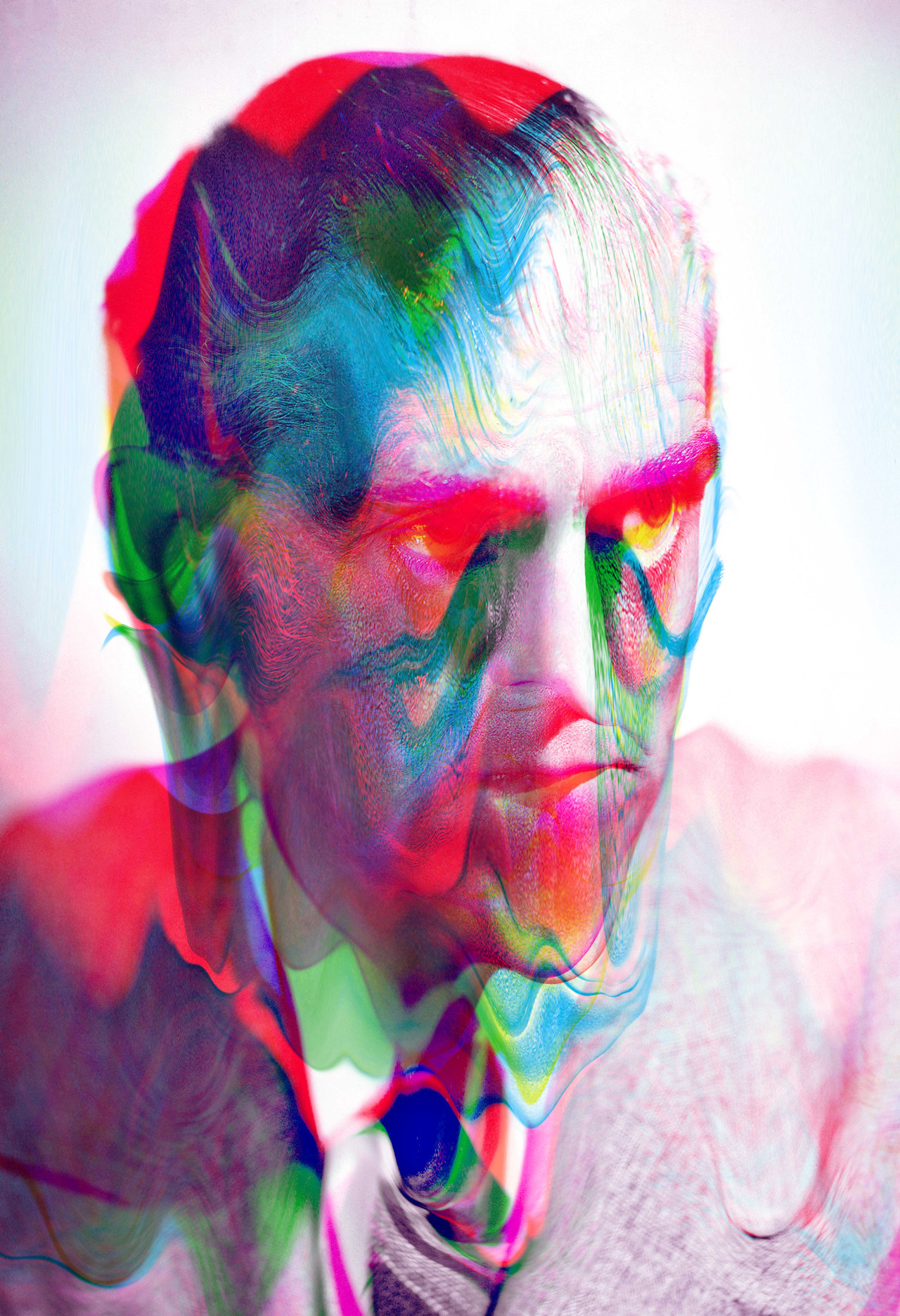
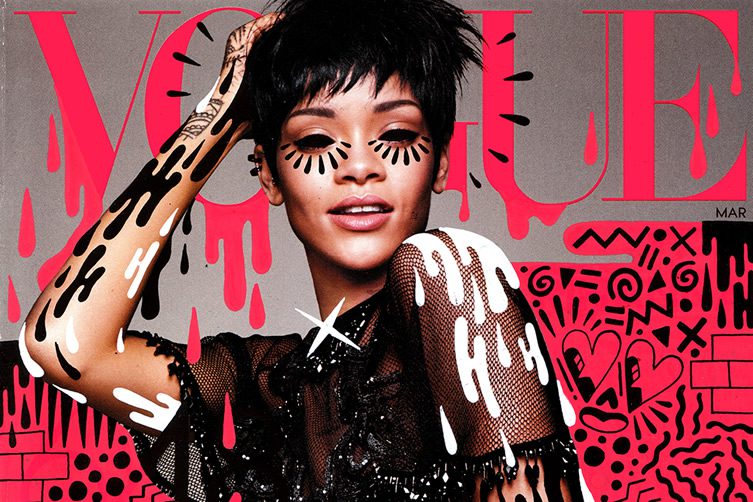
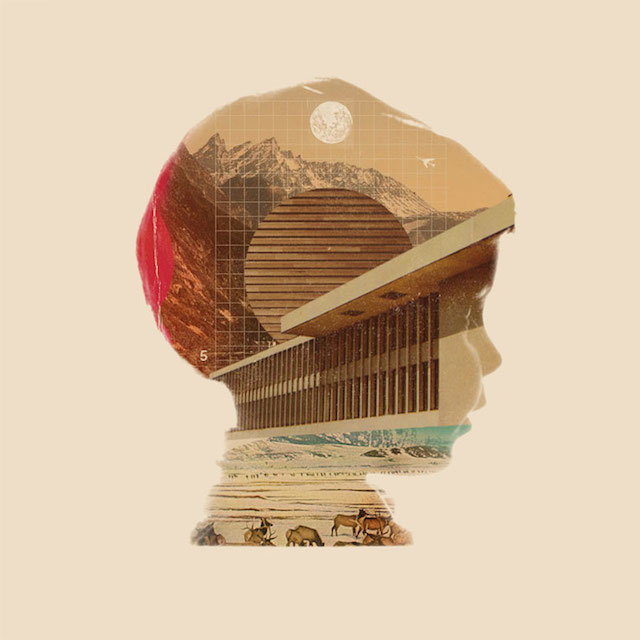
Heitor Magno


evilsabeth schmitz-garcia


Tyler Spangler


Anton Bundenko

Friday, 6 January 2017

Think! Research

'conceptualise, design and deliver a road safety campaign to encourage young men to drive more safely'

think.direct.gov.uk
@thinkgovuk
  • 1,700 road deaths and 22,000 injuries in 2015
  • 17-24 year old drivers are four times more likely to be killed or seriously injured
  • high levels of risk are to do with inexperience, age and common behaviours e.g.. driving with friends and night time driving
  • there is evidence to suggest the frontal lobe (part of the brain that assesses risks) is not fully developed until our mid-20's
  • young male drivers are far more likely to be involved in crashes than young women
target audience: males aged 17-24
focus: 'the roadside swab identifies drug drivers on the spot'
objectives: to increase the belief that you're likely to be caught and convicted if you drug drive and also to increase awareness of the roadside swab

I have decided to focus my campaign on drug driving as i feel it is less talked about than drink driving and many people are unaware of the dangers and consequences drug driving can have. Most people have heard of a breathalyser and are aware of its uses but few know about roadside swabs which are used for testing drug drivers.

To inform my research i have created an online survey for males aged 17-24 to fill out. My aim is to gain an understanding of their perceptions of the risks of drug driving in order to know how best to encourage safer driving amongst the target audience.

From my results i found that half the people thought that the risk of getting caught drink driving was equally as likely as getting caught drug however, how a few people thought you would be more likely to get caught drink driving. This could be could be because only 3 out of 24 people actually knew of someone who had been stopped or prosecuted for drug driving whereas drink driving is much more common. When asked what effect illegal drugs would have on someones driving some people believed it would actually make you more aware and alert, give you faster reaction times and give you a better judgement, with one person thinking it would not change your driving. Nearly a quarter of the people believed that police are unable to tell if you are drug driving however just over half are aware of the roadside tests they are able to do. In order to motivate young men to drive more safely people thought that it's important to raise awareness of the risks and consequences and one person suggested showing videos/pictures of accidents on the scene.

Tuesday, 8 November 2016

Studio Project

week 1 -
pick 3 briefs, one from each 
generate ideas

week 2 - 
develop ideas
work with strongest after feedback

week 3 - 
formalise ideas

week 4,5,6

christmas

YCN
you can now
deadline march 23rd
16 contemporary communication challenges

Think!

Greenall's Gin


RSA
royal society for the encouragement of arts
deadline march 8th
social environmental and ecological challenges

Agile Ageing

Mind Your Money

Tuesday, 18 October 2016

Poster Layout Ideas

I have done some rough sketches to show how i want my final layouts to be for my posters. 


Artist Research

Agnes Cecile; Watercolour paint artist. 
I like the idea of an explosion of colour pouring out and i want to try and explore this in my own work and recreate something similar digitally. 


Tom Haugomat; Illustrator
I like the style of illustration he uses in his work and although very opposite to Agnes Cecile, i like his use of minimal colour. I want to try and incorporate both ideas in to my own work by using minimal colour in my initial designs and then adding an explosion of colour to represent the chaos of being addicted.


Tuesday, 11 October 2016

Cybernetic Self Inspiration

In this lecture we looked at different examples to give us inspiration for our studio projects;

  • Kissel Kramer's rebranding of the Hans Brinker Budget Hotel and Anthony Burrows print outs; their unique branding method changed the reasons why people stopped staying at the hotel in to the reasons why people want to stay there.
  • Anna Ahnborg's 'Can You Read Me'
     

  • Joan Cornella's 'Selfie'

  • Elliot Peter Earls


Final Outcome Inspiration

I had a look on Pinterest for some inspiration. I have already decided that a poster series would suit my project better as a final outcome and i am going to be looking at internet and social media addictions. I want to create striking graphic images that will create awareness for our addictions as i think most people don't realise how reliant we have become on the internet.

I found some images that create a metaphor between drug addictions, which we take seriously, and internet related addictions, which most people don't even consider. I think this is a good way to demonstrate it as although a heroin addiction isn't quite on the same level as an internet addiction, it seems a good way to shock people and make you think about how dependent we have become.

John Holcroft;

James Joyce;
                                               
Asaf Hanuka; 


Tuesday, 4 October 2016

Cybernetic Self - Further Research

I found these designs by Bailey Garrett, they are a poster series created for the awareness of gaming addiction. These have inspired me for my final outcome and have made me consider doing a poster series rather than a short magazine. 

Internet Culture

In today's lecture we looked further in to internet culture. Whoever you are gets reflected in your online posts therefore internet culture can be good and bad. The internet has made everything more accessible to the world and given us a different way of living to the past.
Relating this to our studio brief, we should look at ourselves on the internet but also consider other people. We looked at different designers, Mary Ponomareva and Douglas Coupland, whose work relates to the brief 'cybernetic self'. I particularly liked Douglas Coupland's 'I Miss My Pre-Internet Brain'


Cybernetics - from the greek word meaning the art of steering, they are systems that have goals
Self Portraits - reaction, interaction

Research; facts and figures


I did some background research to find out how common gaming addictions really are, however when researching this, i found that internet addiction is a much more common thing. Therefore, although the idea of extreme gaming addictions would be really interesting, i think looking at internet and social media addictions would be more relevant as nowadays almost everyone can say they are addicted to some sort of technology. 


  • average internet user can get online using 3 different devices
  • 10% can get online using over 5 devices
  • 62% of people need the internet to function in everyday life
  • (whereas) 10-15% of gamers show signs of addiction


  • sources;

    Tuesday, 27 September 2016

    Cybernetic Self; Idea Generation/research

    For this project i decided i wanted to look at addictions and after talking with tracy i decided to look at gaming addictions to link it to cybernetics. I think that everyone can be addicted to something but nowadays most people are addicted to something technology based like our phones or games or just the internet in general. I thought it would be interesting to look in to gaming addictions in particular so i researched some extreme cases of these.

    ‘Electronic heroin’     
    • men wearing nappies to avoid breaks
    •  teen murders mother for not letting him play
    • skipping school 
    • teen burnt classmate
    • fifty-hour gaming session - south Korean man collapsed and died from heart failure. It was presumed that his death was caused by exhaustion, because he had only stopped to use the washroom and for short periods of sleep.
    • suicide
    • girl dies of neglect - her parents spent more time raising a virtual girl than her. The couple had left for a 12-hour gaming session at an internet café, leaving their daughter unattended. Upon returning home, they found her dead.
    • twins die from neglect - a man left his twins in the bathtub as he went to play on his Gameboy Advance
    • teen kills woman for money - the boy confessed that he had done it because he needed money to play an online game. He strangled the woman with a piece of rope and took the money from her, before burying her in a pile of sand in front of his house.
    After researching this i wanted to look at some designers to gain inspiration for styles of work for my final outcome. I like the idea of using a comic book style for my designs, for example using only 3 colours in each piece, so i had a look for designers that might use this sort of style in their work.
    I like Mark Weaver's designs, although not really in that particular style, i like how he uses different images overlayed on top of each other to create a simple but effective design.

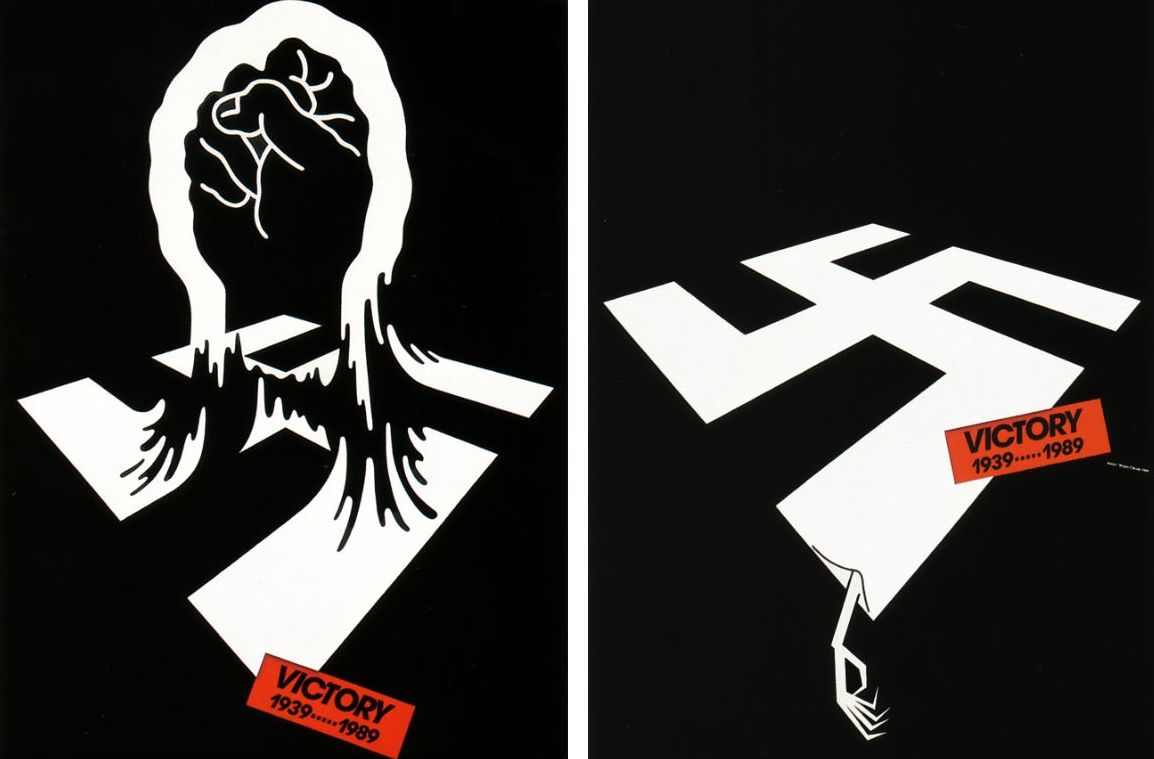
    I also like the work of Shigeo Fukuda, in particular i like how it looks simple and he has only used three colours; black, white and red. 


    Brief: Cybernetic Self

    This lecture was our first briefing entitled 'Cybernetic Self', it's a short 4 week brief in which our final output should be a a printed document; for example a supplement for a magazine.

    The three main themes are network self, sociomaterial and autopoiesis.

    Network Self

    • self-presentation
    • behavioural norms
    • routines
    • privacy
    • social impact
    • class/gender/race divides
    Sociomaterial
    • an ensemble of people, materials, equipment, components, institution
    • how we are defined and perceived
    Autopoiesis
    • emotions
    • interaction
    • dependency
    • self-making/self-poetry
    • redefine the self
    • perception


    week 1 should be focused on idea generation,
    week 2 is for formalising and developing our ideas,
    week 3 we should aim to start our final output,
    week 4 is to refine and finalise our supplements.